

It’s easy to fall into the trap of thinking that if you’re not ranking #1, your SEO efforts are failing. But the reality is, rankings aren’t the be-all and end-all. Outcomes-driven SEO for digital agencies is what truly matters in the long run. There’s so much more to measure when it comes to SEO success. Instead of obsessing over ranking positions, focus on these key metrics that actually drive growth. Let’s explore the metrics you should be tracking to fuel sustainable SEO growth.
User Engagement Signals

User engagement metrics are some of the most telling signs of SEO success. If your content is ranking but visitors are bouncing within seconds, it’s clear that something isn’t resonating with them. This is where metrics like bounce rate, time on page, and pages per session come into play. These figures tell you if users are sticking around and interacting with your site, or if they’re leaving because your content didn’t meet their expectations. What’s the fix? First, make sure your content is answering their questions or solving their problems. If visitors are spending more time engaging with your content, that’s a clear indicator that your SEO is heading in the right direction. But don’t just focus on the traffic; focus on keeping your users engaged. The more time users spend on your site, the better it is for both SEO and your business.
Conversion Metrics
Traffic is great, but conversions are the real goal. You can bring in thousands of visitors, but if they’re not converting into customers, it’s all for nothing. Conversion metrics, like conversion rate, lead generation, and sales numbers, are the ultimate indicators of success. A high conversion rate means your website is not just attracting visitors but also turning them into paying customers or leads. To improve conversions, agencies look at the entire user journey, from landing pages to CTAs, ensuring the path to conversion is clear and optimized. If you’re getting traffic but no conversions, it’s time to revisit your site’s user experience and ensure it’s optimized for action. Focusing on these metrics will help you turn that curiosity into real business results, which is what SEO should be all about.
Organic Traffic Quality

Not all traffic is created equal. A spike in visitors from a particular source may look good on paper, but if that traffic isn’t qualified, it’s not driving real growth. Instead of focusing purely on volume, agencies track traffic quality by looking at where the visitors are coming from and how relevant those sources are to your business goals. By analyzing the quality of your organic traffic, you can get a clearer picture of whether your SEO strategy is reaching the right people. If your traffic is low in quality, you may need to adjust your keyword targeting or focus more on attracting visitors who are actively searching for what you offer.
Backlink Profile and Domain Authority
Backlinks remain one of the strongest signals for SEO, but it’s important to look beyond the quantity of links. The quality and relevance of those backlinks matter far more. Domain authority (DA), which measures your site’s credibility and ranking potential, is heavily influenced by the backlinks you earn. The more high-quality, authoritative sites that link to your content, the higher your DA and the more visibility you’ll …

 For new users, content optimization focuses on discovery and broad appeal. Returning users flip that priority. Systems now emphasize relevance based on what the user already consumed, skipped, or engaged with previously. It allows content to surface faster without forcing users to search again. Recommendations become more specific, headlines change tone, and layout decisions adapt to past behavior. The goal is efficiency and familiarity. Returning users want progress, not repetition. When personalization aligns with past actions, content feels intentional instead of random, which increases session length and repeat engagement.
 With returning users, engagement signals gain more weight and clarity. Likes, time spent, scroll depth, and revisit frequency now reflect preference rather than curiosity. Optimization systems use these signals to fine-tune future content delivery, adjusting format, length, and topic focus. A returning user who consistently reads long-form content gets different suggestions from one who skims visuals. It reduces guesswork and improves accuracy. Over time, content adapts naturally to user behavior, leading to stronger loyalty and more meaningful interactions rather than shallow traffic spikes.




















 SEO allows you to target certain keywords and key phrases that align with your business offerings. By optimizing your website content for these targeted keywords, you attract visitors actively searching for products or services related to your niche. This targeted traffic has a higher likelihood of turning into leads or customers, as they have shown intent and interest in what you offer. SEO enables businesses to focus on attracting quality leads, increasing the chances of conversions, and ultimately driving revenue growth.


 Schema markup is a form of microdata aiming to help Google, and others get the point of the content on your website. It’s an essential part of technical SEO, but many websites fail to implement it correctly. This is usually due to improper implications.
 Duplicate URLs and canonical issues are prevalent problems in the world of technical SEO. These issues can significantly hinder your website’s organic growth, as search engines may struggle to identify which version of a page should be indexed or displayed in search results. Flagging duplicate URLs is crucial because they divide the value of backlinks between multiple-page versions. This dilution can negatively impact your site’s authority and ranking potential. Implementing proper canonical tags ensures you’re consolidating link equity into a single URL, boosting its ranking potential.
 When selecting a social media optimization service, consider their experience and expertise in the field. Research their track record and client portfolio. Look for providers who have successfully worked with businesses similar to yours or within your industry. Assess their knowledge of various social media platforms, trends, and best practices. A competent service provider should demonstrate a deep understanding of social media dynamics and have the skills to tailor strategies to your needs.
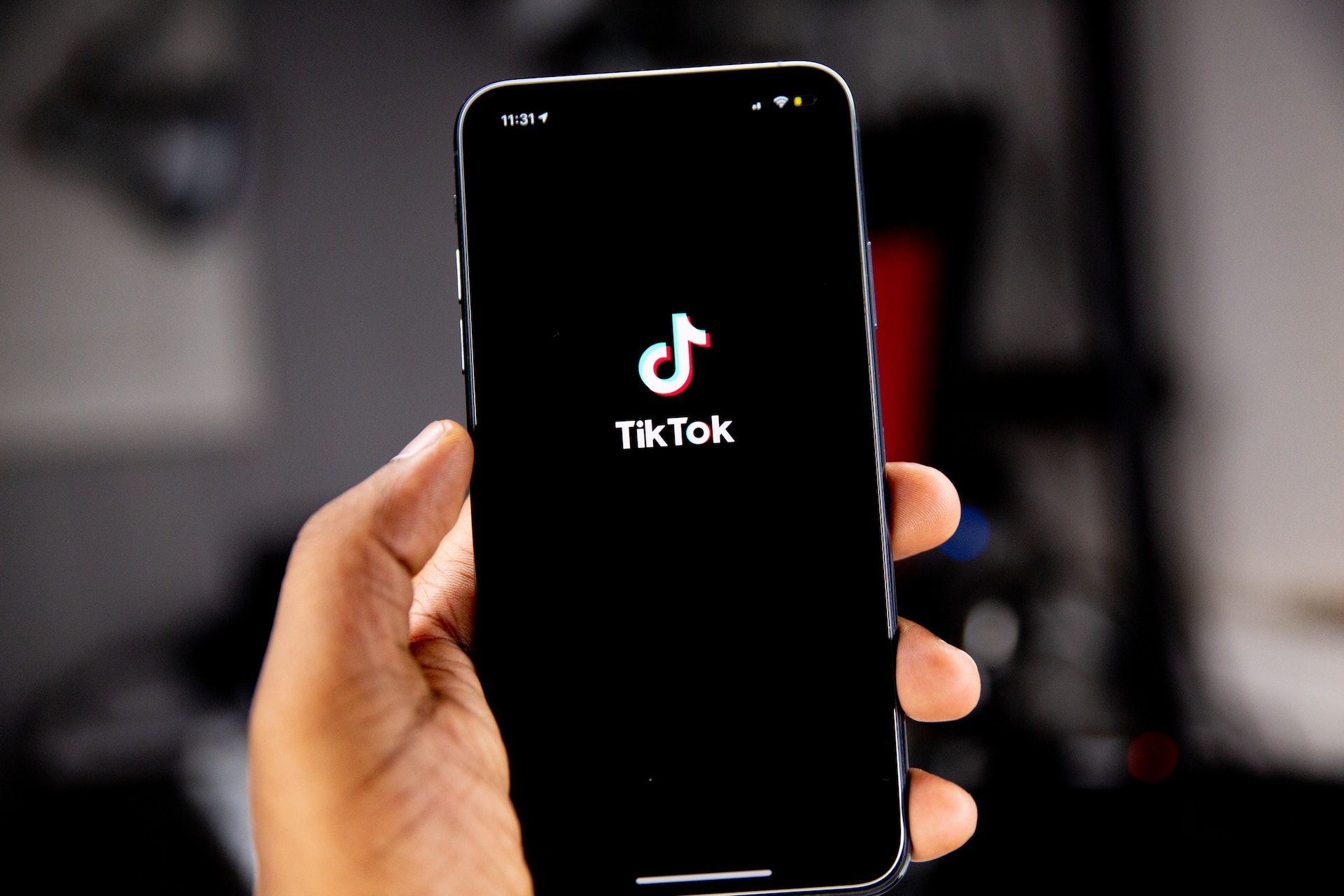
 One of the core principles of TikTok is its emphasis on authenticity and creativity. Users on TikTok appreciate content that feels genuine and unique. As a marketer, focus on creating engaging and entertaining content that aligns with your brand identity while adding a touch of creativity. Whether through captivating storytelling, humor, or clever editing, find innovative ways to showcase your brand’s personality and values, and you’ll resonate with your audience on TikTok. In addition, you don’t have to
 TikTok is renowned for its viral challenges and trends that sweep across the platform. Capitalize on these opportunities by participating in relevant challenges that align with your brand message or products. Create engaging and original content that incorporates the challenge while showcasing your brand’s unique perspective. By joining in on these trends, you can increase your chances of visibility, engagement, and even potentially going …

 Personalization is a key aspect of providing an exceptional customer experience. Customers expect your brand to know their preferences and provide tailored solutions, products, or services for them. By understanding your customers’ needs, you can personalize the entire customer journey. Try collecting data on your customers through surveys, feedback forms, and social media interactions, as it can aid you in understanding what they’re looking for in your product, how they like to communicate with brands, and what type of content resonates with them.
 One of the signs that your marketing strategy needs Google Ads is when your website traffic has plateaued. Plateauing refers to a state where you’re no longer experiencing growth in terms of visitors to your website. If you’ve relied on organic search traffic, you may have reached its limit and need new strategies. A plateau can happen for many reasons. It could be due to a lack of engaging content, poor user experience, or limited marketing channels. Whatever the reason, it’s essential to find ways to drive more traffic and increase conversions.


 Finally, make sure you’re measuring your success on Instagram. Use Instagram Insights to track your engagement, reach, and follower growth. This will help you determine what’s working and what’s not so you can adjust your strategy accordingly. So there you have it, the best Instagram marketing tips to help you get more engagement, reach, and sales. Remember to optimize your profile, create high-quality content, use hashtags strategically, engage with your audience, collaborate with influencers, use Instagram ads, post consistently, and measure your success. Good luck.…

 Content is essential for driving engagement and building brand awareness. This can include blog posts, social media posts, videos, and infographics. Creating high-quality, informative content can help you establish your business as a thought leader in your industry and attract new customers.



 Finally, ads can be used to shape social perceptions around a particular topic or product. If an ad portrays a certain type of behavior or lifestyle as desirable, people may be more likely to adopt it themselves. Ads can also influence how people think about certain topics by highlighting their importance in our lives and how they affect us. By using this power of persuasion, businesses can successfully shape how consumers view their products or services.
 One of the main benefits of link building is that it can help improve your search engine rankings. When other sites link to your site, it signals to search engines that your content is valuable and worth ranking higher in search results. This can lead to more organic traffic and, ultimately, more revenue for your business. A link-building service can help improve your search engine rankings by researching and building high-quality backlinks from relevant websites. They can also help you track your rankings and adjust as needed to ensure you’re getting the best possible results.
 The first tip for success in online marketing is to find the right platforms for your business. Do the research and identify which platforms would be the most beneficial for your product or service. For example, if you sell physical products, consider an e-commerce platform like Shopify. If you provide services or digital goods, then focus on building a presence on social media platforms like Facebook, Instagram, and Twitter. Take the time to learn about each platform and understand how to utilize them for your goals best.
 The third tip is to know your target audience. Understanding their needs and preferences is essential so you can craft campaigns and content that will resonate with them. Take some time to research your target demographic, find out their interests, and use this information to create marketing messages that speak directly to them. If you understand your audience, you’ll have an easier time connecting with them and creating campaigns that will be successful. This is what will set you apart from the competition.

 Last but not least, make sure that your images are easy to share on social media. If they’re not, you could be missing out on a lot of traffic. To ensure that your images are easy to share, you’ll want to add social sharing buttons to your website. You can also use a tool like Canva to create optimized images for social media.
 With so many
  The marketing landscape is constantly changing. These frequent changes can make it challenging for enterprises to keep up. Knowing which changes will be most impactful for your business can be hard. One way to stay up-to-date with the latest marketing trends is to follow industry news and blogs. You can also attend marketing conferences or webinars. Additionally, many marketing software platforms offer training and resources to help you keep up with the latest changes.
 According to
 If you’re ready to start adding keywords to your website, keep a few things in mind. First, make sure that you’re using relevant keywords throughout your site. Don’t stuff your keywords or use them excessively, as this can actually hurt your ranking. Moreover, be sure to use a variety of different keyword types, including long-tail keywords. Long-tail keywords are longer, more specific phrases that potential customers are more likely to use when they’re close to making a purchase.
 For your videos to be found by search engines, you must ensure they are properly optimized. This means giving your video files descriptive names and using relevant keywords in the file name as well. For example, instead of naming your video “dogtrainingvideo.mpg,” name it something like “how-to-train-your-dog.mpg.”
 When you embed a video on your website, be sure to do it on a page that is relevant to the video’s topic. For example, if you have a video about “How to Train Your Dog,” embed it on a page about dog training. This will help Google understand the context of your video and index it accordingly.
 One of the first things that will impact the cost of SEO services is the number of pages that need to be optimized. If you have a large website with hundreds or even thousands of pages, it will take more time and effort to optimize all of those pages. As a result, the cost of SEO services will be higher.
 Regarding SEO, link acquisition is one of the most critical factors. The number of links that point to your website will significantly impact your search engine rankings. In general, the more links you have, the better. However, it is not just the quantity of links that matters – the quality of those links is also essential. A link from a high-quality website will be worth more than a low-quality one.
 The current state of your website’s technical SEO will also impact the cost of services. If your website is not well-optimized, optimizing it will take more time and effort. As a result, the cost of SEO services will be higher. On the other hand, if your website is already well-optimized, it will take less time and effort to optimize it. As a result, the cost of SEO services will be lower.